- Fit and Comfort
⁃ A snug fit is essential; it should feel firm without causing pressure points.
⁃ Try the helmet on and shake your head gently—there should be minimal movement.
⁃ Consider helmets with adjustable padding or liners for a customised fit. - Safety Standards
⁃ Check for certifications such as ECE 22.06 or DOT to ensure maximum safety.
⁃ Look for helmets with reinforced chin bars and high-quality impact absorption. - Ventilation
⁃ Off-road riding often involves physical exertion, so good airflow is critical.
⁃ Opt for helmets with multiple vents and moisture-wicking liners to stay cool. - Weight and Materials
⁃ Lightweight helmets reduce neck strain on long rides.
⁃ Fibreglass, carbon fibre, and composite materials offer strong yet light protection. - Visor and Goggles Compatibility
⁃ Off-road helmets generally have extended peaks to block the sun and roost.
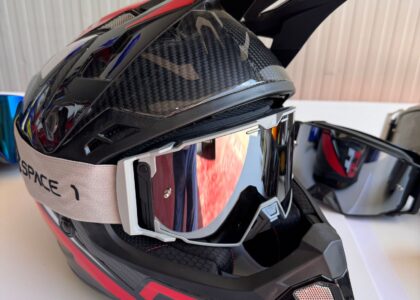
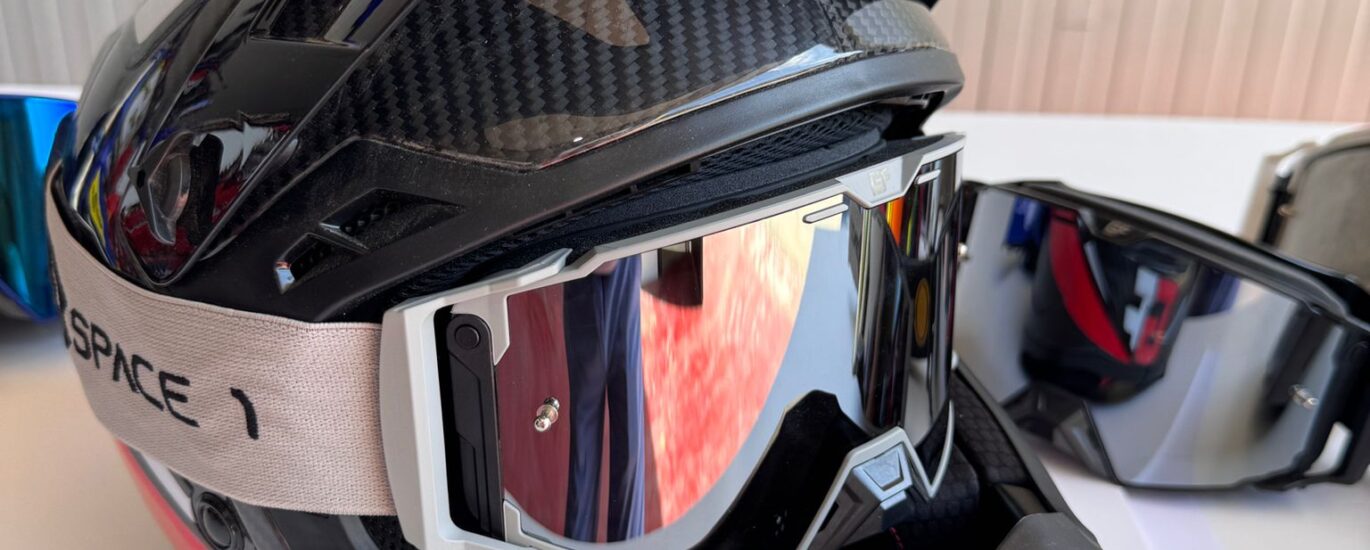
⁃ Ensure the helmet is compatible with your off-road goggles for a secure fit. - Durability and Maintenance
⁃ Removable and washable liners make it easier to keep the helmet clean.
⁃ Inspect the helmet shell and straps regularly for wear and tear. - Style and Functionality
⁃ Choose bright or reflective colours for visibility.
⁃ Ensure the design doesn’t compromise on safety or comfort.
By prioritising fit, safety standards, and ventilation, you can find a helmet that keeps you both protected and comfortable on every trail.